
For women considering Labiaplasty in London, understanding the difference between labia minora and labia majora reduction is an important first step. While both procedures focus on reshaping intimate tissue, they address different concerns and create different results. A personalised consultation helps determine which option best suits your comfort, anatomy, and aesthetic goals.
Understanding the Labia Minora and Labia Majora
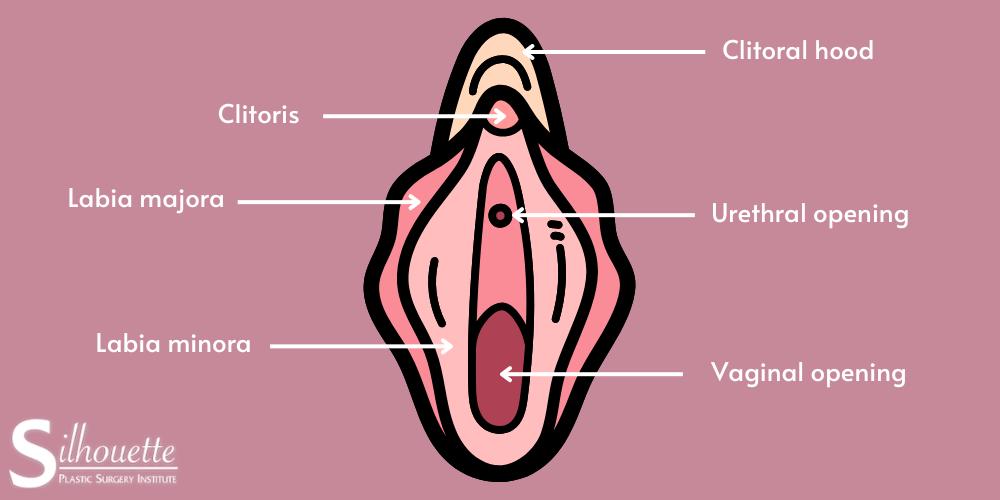
The labia are the folds of skin surrounding the vaginal opening.
- Labia minora are the smaller inner folds
- Labia majora are the larger outer folds
Some women feel discomfort, irritation, or self-consciousness when these tissues become enlarged, uneven, or stretched due to genetics, ageing, childbirth, or hormonal changes.
Clinics specialising in London cosmetic surgery often tailor procedures based on which area causes the greatest concern.
What Is Labia Minora Reduction?
Labia minora reduction focuses on reducing the size or asymmetry of the inner labia.
Women often choose this procedure to help with:
- Discomfort during exercise
- Irritation in tight clothing
- Pain during intimacy
- Cosmetic concerns about visibility
Patients seeking Labiaplasty in London commonly request this treatment because it improves both comfort and confidence.
What Is Labia Majora Reduction?
Labia majora reduction addresses the outer folds of tissue. Some women experience excess fullness or sagging in this area due to ageing or weight fluctuations.
The procedure may involve:
- Removing excess skin
- Reducing tissue volume
- Tightening loose outer tissue
In some cases, fat transfer may also be used to restore volume rather than reduce it.
Labiaplasty in London: How Surgeons Decide Which Procedure Is Needed
During consultation, surgeons assess:
- Tissue size and symmetry
- Skin elasticity
- Patient discomfort
- Desired aesthetic outcome
Some patients require only labia minora reduction, while others benefit from combining both procedures for balanced results.
Clinics like London Cosmetic Surgery often use “smartCard-inline” consultation planning tools to explain surgical options clearly and privately.
Common Reasons Women Choose Surgery
Women pursue intimate surgery for many different reasons. Common concerns include:
- Chafing during walking or cycling
- Feeling uncomfortable in swimwear
- Visible tissue through clothing
- Changes after childbirth
- Loss of confidence during intimacy
Many London cosmetic surgery patients say the procedure improves both physical comfort and emotional wellbeing.
Surgical Techniques Used in Labiaplasty
Several techniques may be used depending on anatomy and goals.
Trim Technique
Excess tissue is removed along the edge of the labia.
Wedge Technique
A wedge-shaped section of tissue is removed while preserving the natural border.
Volume Reduction or Tightening
Used more commonly for labia majora reshaping.
Patients considering Labiaplasty in London should discuss which method best suits their anatomy and desired appearance.
Recovery After Surgery
Recovery is usually manageable when proper aftercare instructions are followed.
Most patients experience:
- Swelling
- Mild bruising
- Temporary sensitivity
- Tightness during healing
Recovery advice typically includes:
- Wearing loose clothing
- Avoiding strenuous exercise
- Keeping the area clean and dry
- Avoiding sexual activity during healing
Patients treated at London cosmetic surgery clinics often return to light daily activities within one week.
How Long Do Results Last?
Results are generally long-lasting. However, future childbirth, ageing, or hormonal changes may affect tissue over time.
Maintaining healthy habits and following recovery instructions carefully helps support stable long-term outcomes.
Emotional and Lifestyle Benefits
Many women report improvements in:
- Physical comfort
- Confidence in clothing
- Exercise comfort
- Intimate wellbeing
For some patients, surgery resolves concerns they have felt self-conscious about for many years.
Are the Scars Visible?
Scarring is usually minimal because the area heals well naturally. Surgeons place incisions carefully within natural tissue folds whenever possible.
Patients researching Labiaplasty in London are often surprised by how discreet the final healing appears after recovery.
Choosing the Right Surgeon
Choosing an experienced surgeon is essential for both safety and natural-looking results.
Look for providers who:
- Specialise in intimate surgery
- Offer private and detailed consultations
- Explain realistic expectations clearly
- Show consistent patient outcomes
Clinics like London Cosmetic Surgery focus on patient comfort, discretion, and personalised treatment planning.
Is Combination Surgery Sometimes Better?
Yes. Some patients benefit from combining procedures for improved symmetry and proportion.
For example:
- Labia minora reduction plus majora tightening
- Fat transfer with tissue reshaping
- Combination rejuvenation procedures after childbirth
A customised plan helps create balanced and natural results.
What is the difference between labia minora and labia majora reduction?
Labia minora reduction decreases the size of the inner vaginal folds, while labia majora reduction reshapes or tightens the outer folds. According to WebMD, both procedures aim to improve comfort, symmetry, and confidence depending on the patient’s anatomy and concerns. Read the Full Article (Source: WebMD)
Final Thoughts
Understanding the difference between labia minora and labia majora reduction helps patients make informed decisions about intimate surgery. Each procedure addresses different concerns, and treatment should always be tailored to your anatomy and comfort goals.
If you are considering Labiaplasty in London, clinics like London Cosmetic Surgery provide discreet consultations and personalised care to help you feel comfortable, informed, and confident throughout your journey.
Call to Action
Ready to explore your options with confidence and privacy? Contact London Cosmetic Surgery today on 0203 603 3433 or visit their website to arrange your consultation. Discover how personalised intimate surgery can improve both comfort and self-confidence.